The Maya Aren’t Ancient — They’ve Just Adapted
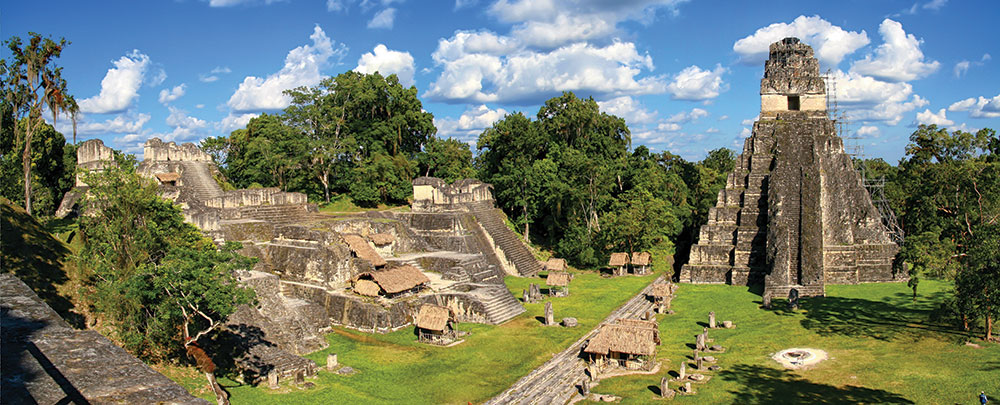
When people think about the Maya, they usually picture pyramid ruins swallowed by jungle vines. But the Maya aren’t frozen in the past—they’re alive, culturally changing, and deeply connected to current issues. Today, millions of Maya people live across Mexico, Central America, and even the United States, continuing languages and traditions that stretch back thousands of years.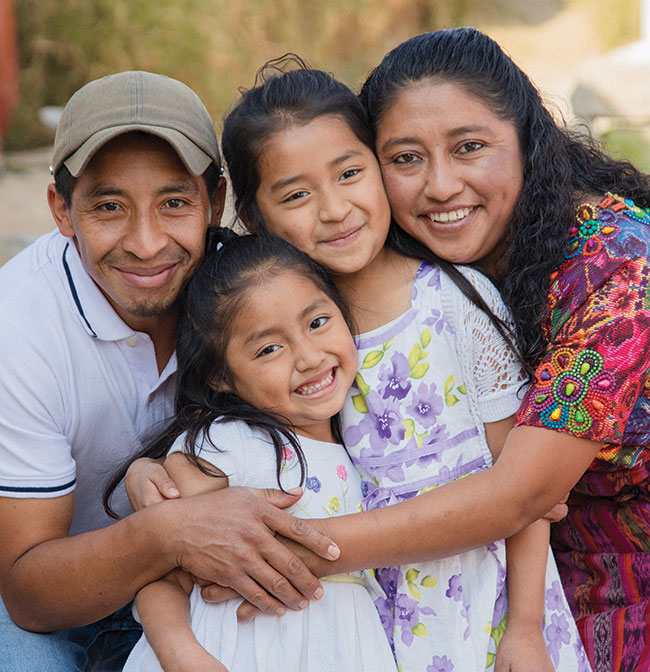 Take the Maya in Belize as an example. Yucatec Maya remains their primary language and families stay tightly connected across generations. Many work in agriculture, construction, tourism, or handmade crafts, often near ancient Maya cities that are now major cultural and economic landmarks.
 That mix of past and present is key to understanding the Maya. Their ancestors built powerful city-states, developed advanced math and astronomy, and created one of the most sophisticated writing systems in the Americas. When their major cities declined around 900 AD, the Maya didn’t vanish—they just migrated, adapted, and survived colonization, forced labor, and cultural suppression.
Today, Maya culture still influences food, agriculture, folk religion, and language across Mesoamerica. As Maya communities fight for land rights and cultural recognition they grope in the darkness of their past superstition and present, empty Catholicism.
The truth is simple: the Maya aren’t a relic. They’re a real people who need a relationship with Jesus Christ. Could God be calling you to reach the Maya?
Next Article