East Africa’s Heritage
& Why It Matters When We Share the GospelCatching the Context of Culture
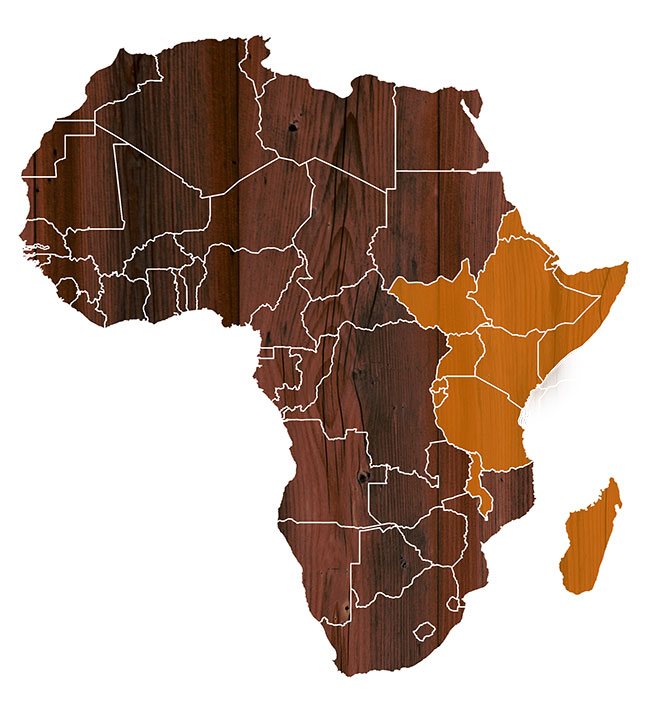 Picture this: you step into a village where the “schedule” isn’t a phone notification—it’s the rhythm of people, cattle, cooking fires, and conversation. You can feel history in the dust and hear it in the whispers of the wind. East Africa isn’t a blank space on a map waiting for someone else’s ideas. It is a place of strong families, deep community ties, and layers of faith traditions—some unique, some broken, all influential.
When we talk about “heritage,” we mean more than music, clothing, or food (though, yes, all of that matters). Heritage is how a person has learned to listen, trust, honor, celebrate, grieve, and make decisions. If we ignore those things, we may still speak the truth—but we might not actually be heard.
The reality is that this “heritage” as well as religion in general can be everywhere and yet the heart still be empty. Traditional beliefs shape culture, define personal relationships, overshadow special occasions, as well as mundane daily life, even when many people no longer hold to it with personal conviction. In East Africa, you’ll see that mix—Christian labels, Islamic influence, and traditional practices woven into everyday life. That blend is not just “background”; it’s the lens through which many people interpret what you say when you share about God.
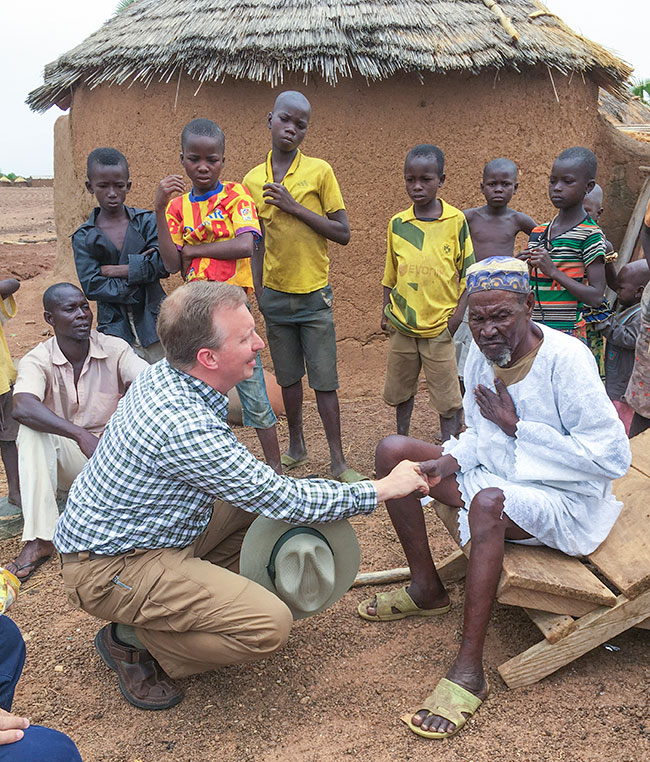 The task for the missionary is to confront this embedded worldview with the light of Scripture, but thankfully the missionary does not work alone. God often provides scenarios where traditional beliefs are challenged, His love revealed, and faith in Christ put on display. I have witnessed some amazing conversions simply because the manifested power of God proved greater than the power of culture or fear. That is “heritage” showing up in a Gospel moment. The message didn’t change. But it was the response of faith to what the listener observed that challenged his former beliefs about authority, fear, and power.
How do those Gospel moments happen? It is through establishing meaningful relationships. It is by walking through life purposefully with intentionality in your witness. It is by living an example of Christ-likeness together with a verbal message. Life, especially one in a third-world context, can be incredibly challenging and often frustrating. In many East African settings, your credibility is not mainly built by a bio or résumé—it’s built by how you walk with people when life goes sideways; as you are exemplifying the power of God in day-to-day living and in neighborly conversations.
So how do we “catch the context” and give the Gospel in a meaningful way?
• Lead with listening. Don’t just speak, listen to learn how people explain their world through their cultural eyes: their family expectations, spiritual fears, what “a good life” means, and what brings shame or honor.
• Respect community pathways. Decisions are often communal. Discipleship that ignores family and community dynamics can unintentionally isolate new believers.
• Take spiritual questions seriously. In many places, “Does your God have power?” is not a cliché. It’s a real question tied to real fears.
• Stay long enough to be known. Superficial relationships are easy; trust takes time. The Gospel is worth patient presence. It often takes a lifetime to make a lasting difference in a community.
East Africa’s heritage matters because people matter, and people are never culture-free. When we honor context, we’re not “being trendy.” We’re following the Christ-like example of careful, compassionate witness by speaking to real people in their real world. Catch the context, and you’ll find more than customs—you’ll find bridges. And across those bridges, the unchanging Gospel can travel with clarity, courage, and love. — BIMI Africa Director
Next Article